What Is a Louis Frame: History and Knowledge From 30 Years
June 18, 2026 · 7 min read
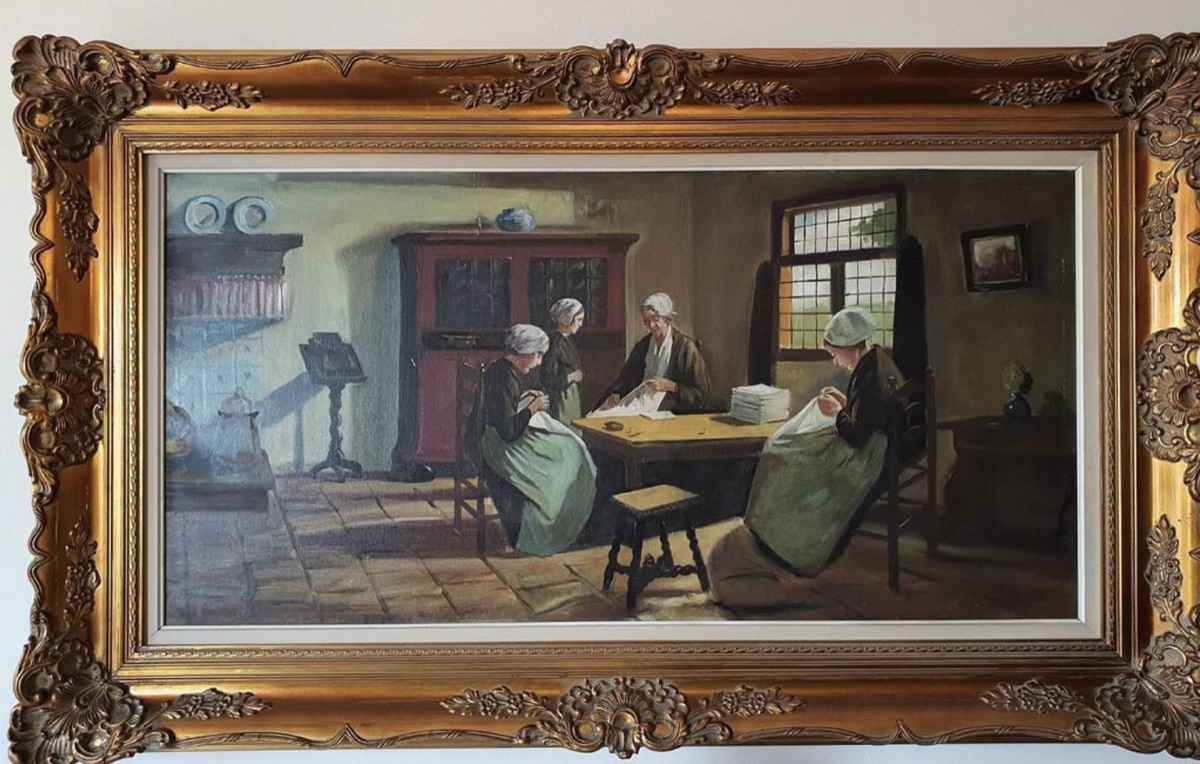
Is a Louis frame expensive? I have heard this question almost every day for 30 years. Some ask because they want one, some because they assume it must cost a fortune, and some have no idea what Louis even means.
Born in the French court
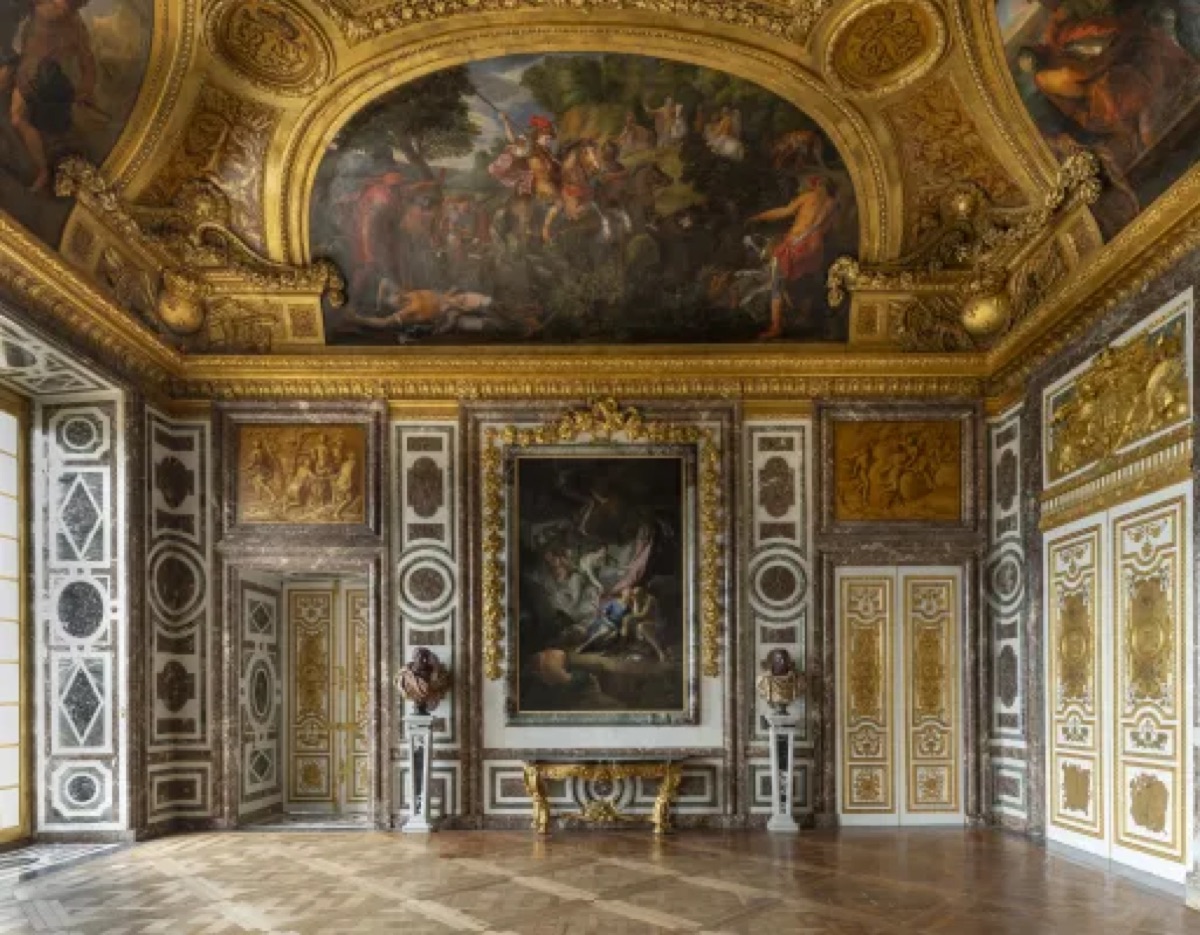
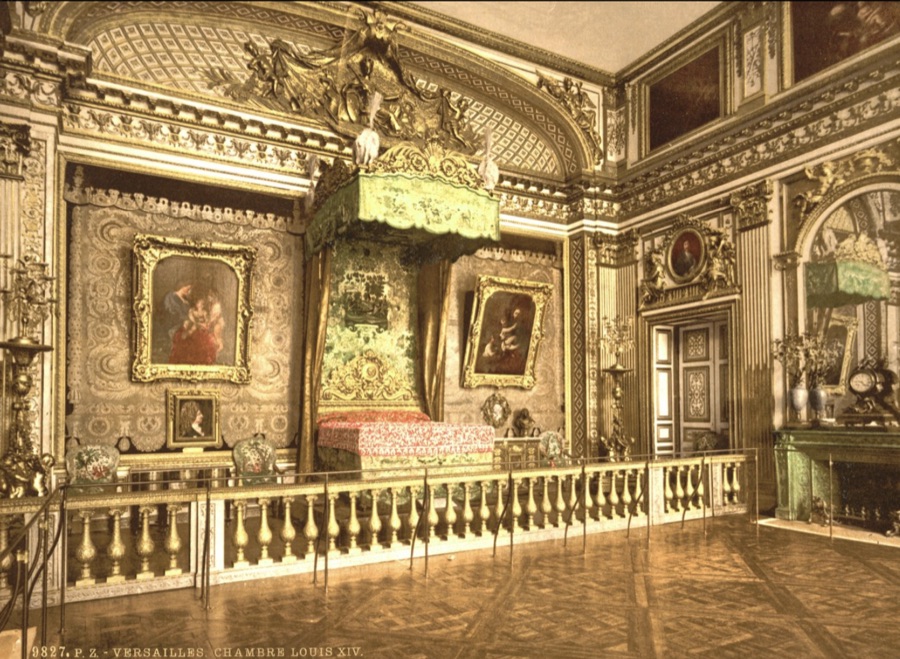
The Louis style was developed under the kings of France, above all Louis the Fourteenth, who reigned from 1643 to 1715, the longest reign in European history. He made Versailles the center of beauty in the world, and the frames there were carved by hand and gilded with real gold leaf to look as magnificent as possible.
How a true Louis frame is made
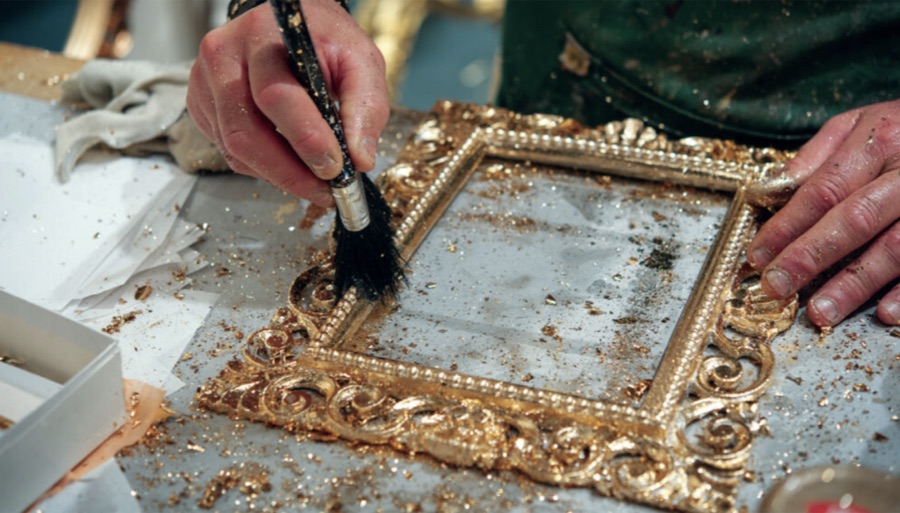
First the wood is chosen for a dense grain that can take fine carving. The carver coats it with several layers of gesso, a fine plaster, then carves the C scrolls, S curves, shells and floral motifs by hand.
After carving comes bole, a fine red clay that helps the gold adhere, and then gilding. Each leaf of gold is about 0.0001 millimetres thick, 500 times thinner than a human hair, and tears at the slightest breath. Finally parts are burnished to a shine while others stay matte, creating depth that sprayed gold can never match.
Four different Louis eras
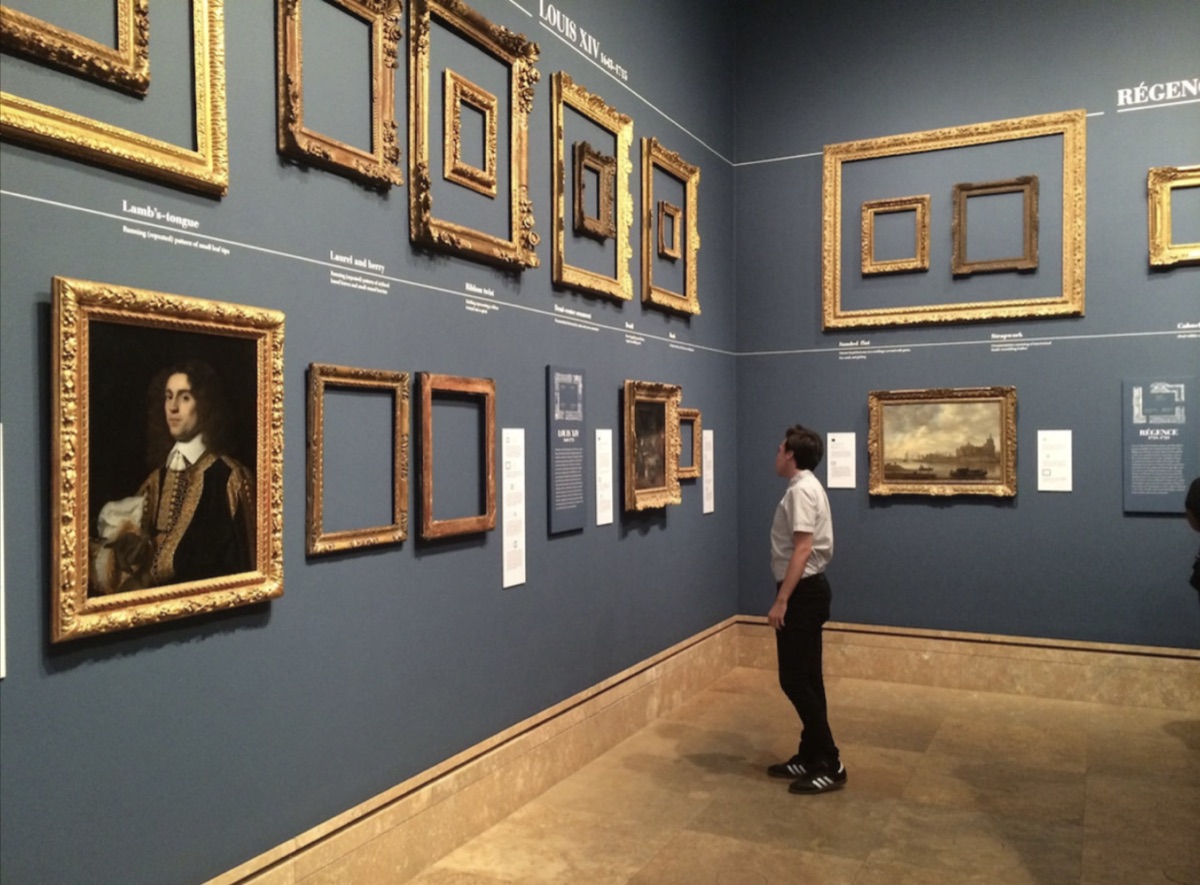
Louis the Thirteenth is calmer and straighter. Louis the Fourteenth is full baroque, dense and grand. Louis the Fifteenth, or rococo, is lighter with more curves. Louis the Sixteenth, neoclassical, returns to straight symmetry while keeping detail.
Cast resin versus hand carved wood
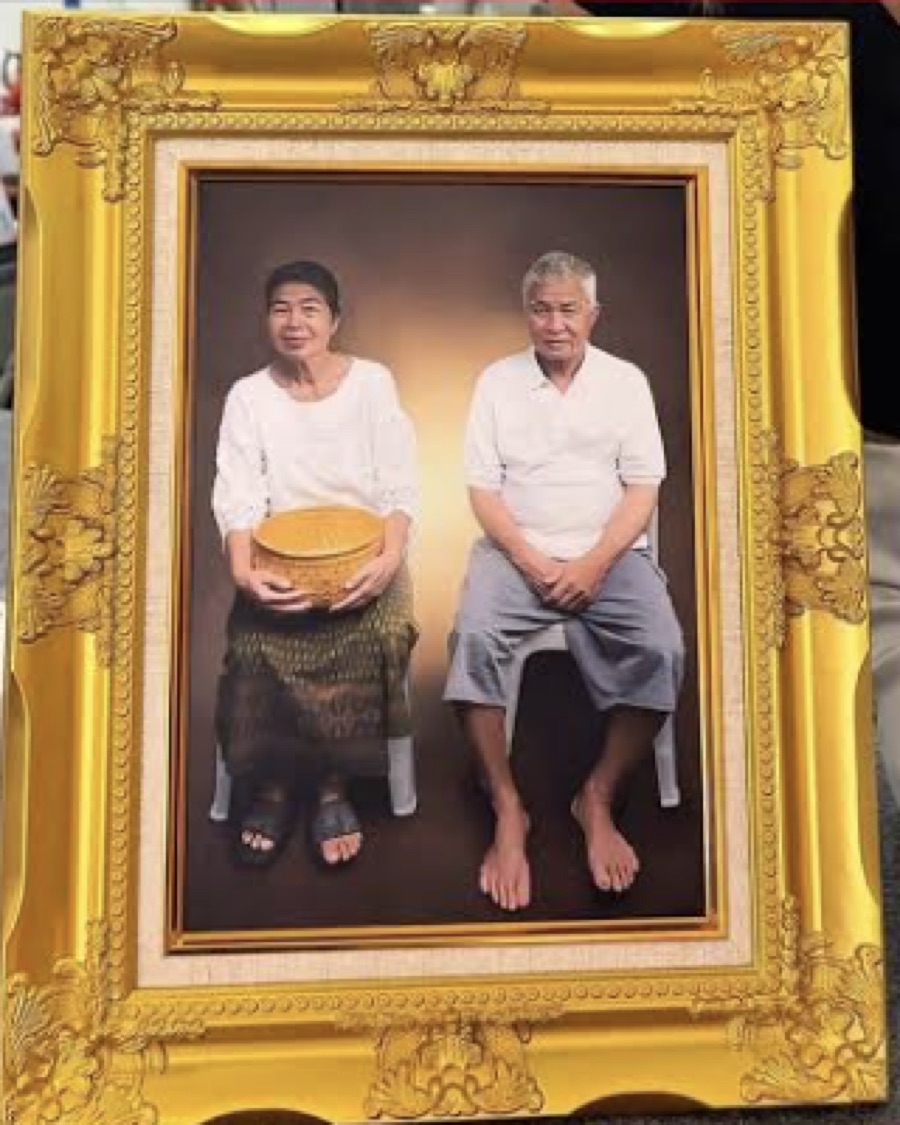
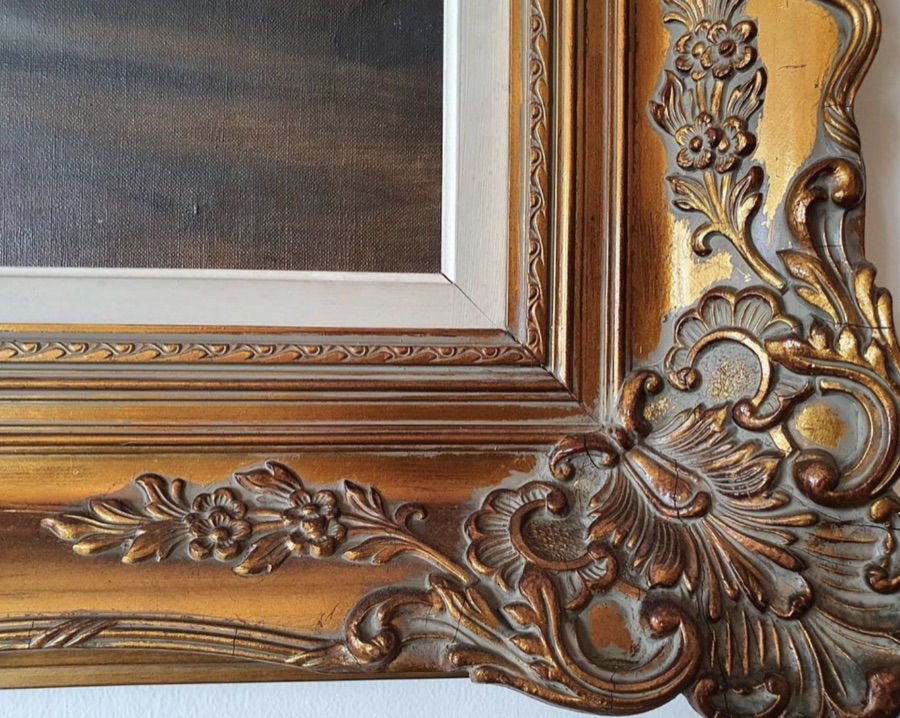
Most Louis frames sold today are cast resin, cheaper and identical from a single mould, lighter in weight, and plastic underneath if chipped. Hand carved wood varies slightly piece to piece, weighs more, and shows wood or gesso under any chip. Press a motif gently: resin sounds slightly hollow, wood sounds solid.
In Thailand Louis frames are loved for diplomas, group photos, sacred images and yantra cloths, because dense carving lends dignity and a sense of the sacred. Send a photo of what you want framed and I will advise you.
Need a frame? Just ask us
Send a photo on LINE and we reply within one hour during opening times